A missing tooth can affect more than the appearance of your smile. Depending on its location, it may make chewing less comfortable, change how your teeth meet, or create spaces where food collects. A dental bridge can replace a missing tooth, but it is not the right choice for everyone. A dentist in Boca Raton can examine the surrounding teeth, gums, bite, and supporting bone before discussing suitable options.
If you are considering dental bridges in Boca Raton, it helps to understand how a bridge stays in place, what the treatment involves, and how to care for it afterward. These factors can help you make a decision based on your oral health, daily needs, and long-term maintenance.
How Does a Dental Bridge Work?
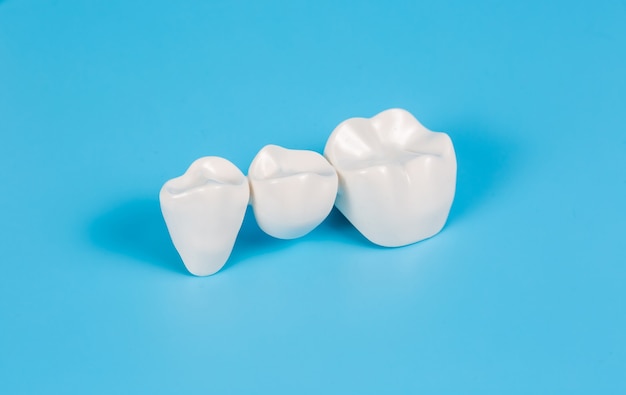
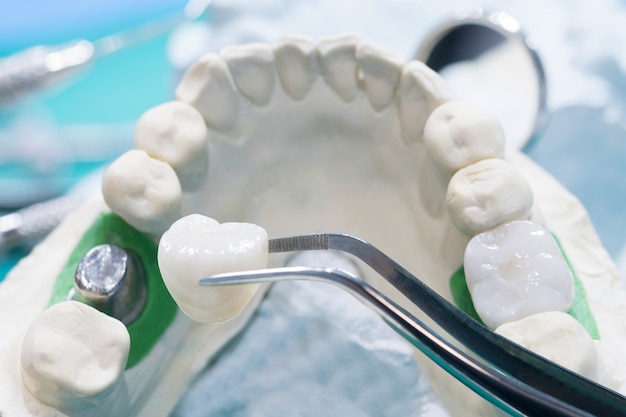
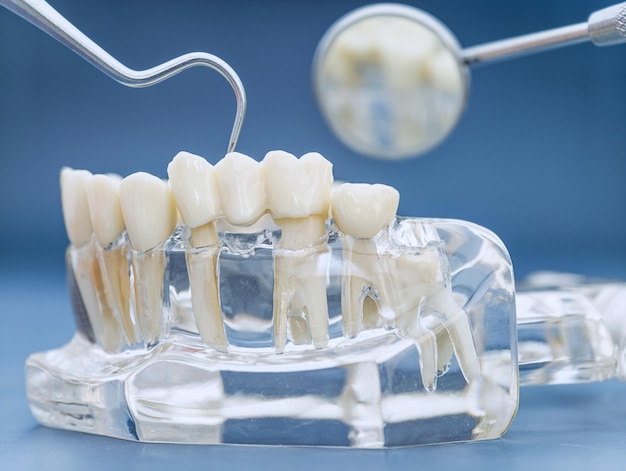
A dental bridge fills a gap with an artificial tooth, or several teeth, held in place by neighbouring teeth or dental implants. A traditional bridge usually requires crowns on the supporting teeth, while an implant-supported bridge relies on implants placed in the jawbone. The design depends on the size of the gap and the condition of the surrounding structures.
Factors That Affect Suitability
A bridge may be appropriate when the supporting teeth and gums can maintain it securely. During an assessment, the dentist may consider:
-
The number of missing teeth and their position.
-
Whether neighbouring teeth have large fillings, cracks, or existing crowns.
-
Gum health and the condition of the supporting bone.
-
Your bite, cleaning routine, budget, and treatment preferences.
If gum disease or decay is present, it may need to be managed before restorative treatment begins. When comparing dental bridges near you, ask how well the supporting teeth can withstand chewing forces and what care the bridge will require over time.
What Are the Alternatives?
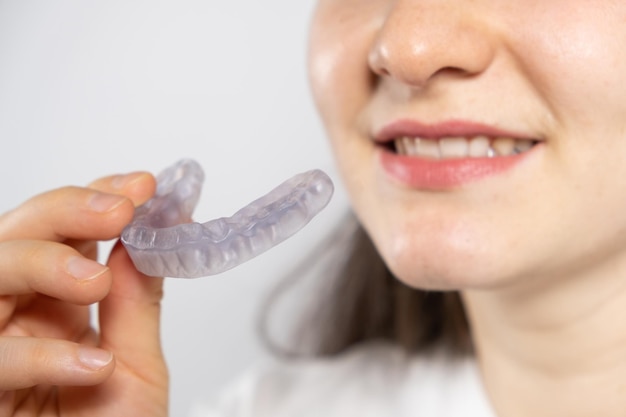
A removable partial denture can replace one or more missing teeth and can be taken out for cleaning. A dental implant may support an individual crown or a bridge, but implant treatment involves surgery and depends on factors such as bone volume, general health, and healing. In some situations, monitoring the gap may also be reasonable.
The right dental bridge treatment depends on the condition of your mouth, the amount of treatment involved, and your maintenance preferences. A dental examination can help compare the benefits and limitations of each option.
Caring for a Dental Bridge
Daily cleaning helps protect the gums and supporting teeth. A floss threader, special bridge floss, or an appropriately sized interdental brush may help remove plaque beneath the replacement tooth. Your dentist can show you which tool suits your bridge design.
Keep up with recommended dental checkups so that looseness, decay, or gum irritation can be identified early. If you speak with a dentist near you, mention any discomfort when chewing, bleeding gums, or difficulty cleaning around the gap.
Take the Next Step Toward Replacing a Missing Tooth
Choosing how to replace a missing tooth involves more than filling the gap. You’ll also want to consider the health of your surrounding teeth, how the restoration will feel when you chew, and the care it will need over time. Understanding these details can help you feel more confident about your options and what to expect from treatment.
Harris Dentistry can help you review your tooth-replacement options and understand the next steps. Book an appointment to discuss your needs and decide on a suitable approach.
FAQs
What are the alternatives to a dental bridge?
Alternatives may include a removable partial denture, an implant-supported crown or bridge, or monitoring the gap when appropriate. Each option has different effects on nearby teeth, comfort, cleaning, and cost. A dental assessment can help determine which choices are realistic for your particular situation.
Can a dental bridge replace more than one missing tooth?
Yes. Some bridge designs can replace two or more adjacent teeth, depending on the gap and the strength of the supporting teeth or implants. Longer bridges may place greater forces on their supports, so the design must be assessed carefully before treatment is planned.
Does getting a dental bridge require changes to neighbouring teeth?
A traditional bridge generally requires reshaping the supporting teeth so crowns can hold the replacement tooth. A resin-bonded bridge may require less preparation in selected cases. An implant-supported bridge usually avoids preparing neighbouring teeth, but requires surgery and sufficient bone support.
How should I clean under a dental bridge?
Clean the area beneath the replacement tooth daily using a floss threader, bridge floss, or an interdental brush suited to the space. Ordinary floss may not pass beneath a fixed bridge in the usual way. Ask your dental team to demonstrate a safe technique for your specific restoration.
Can a dental bridge become loose or damaged?
Yes. Cement can weaken, supporting teeth can develop decay, and the bridge itself may chip or fracture. Contact your dentist if the bridge moves, your bite changes, or you notice pain or swelling. Avoid trying to glue a loose bridge back into place yourself.