A dental crown is designed to protect and restore a tooth, but it is reasonable to wonder how long that restoration will actually last. Crowns are durable, although they are not expected to last forever. A dentist in Boca Raton can check an existing crown for signs of wear and assess the health of the natural tooth underneath it. How long yours lasts will depend on the material, your oral hygiene, your bite, and even some everyday habits.
What Is a Dental Crown?
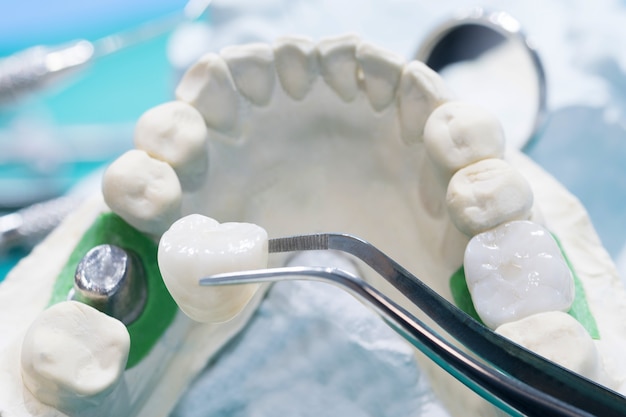
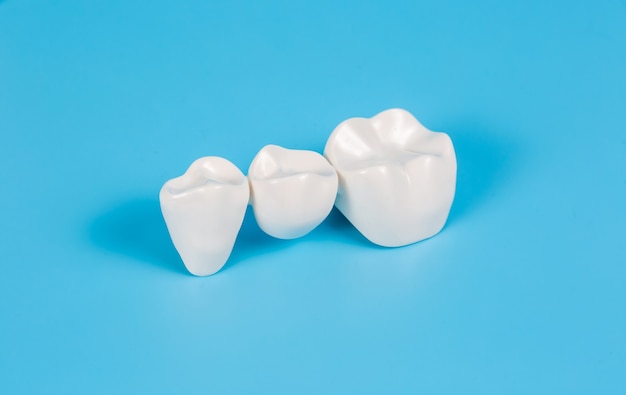
A crown is a custom-made restoration that covers the visible portion of a damaged or weakened tooth. It may be recommended when a tooth has a large filling, significant decay, a crack, or has undergone root canal treatment.
If you are considering dental crowns in Boca Raton, your tooth will first need to be examined to make sure a crown is the appropriate restoration. Your dentist will also consider your bite, the location of the tooth, and how much healthy tooth structure remains.
What Is the Typical Lifespan of a Crown?
Many dental crowns can remain functional for years, but there is no exact expiration date. Some may need replacement sooner, while others continue performing well for much longer.
The material used can make a difference on its durability. Crowns are made from porcelain, ceramic, zirconia, metal alloys, or a mix of the above-mentioned materials. Each comes with its own set of characteristics, and the location of the damage can determine which material works best.
More importantly, the natural tooth supporting the crown still needs care. Even a crown that looks perfectly fine cannot protect the underlying tooth from every possible problem.
What Can Make a Crown Wear Out Faster?
Your crown handles pressure every time you bite and chew. Certain habits can place considerably more force on it.
Grinding or clenching your teeth, chewing ice, biting your fingernails, or using your teeth to open packages can increase the risk of chipping or damaging a restoration.
Those of you looking for dental crowns near you should mention any grinding or clenching habits during your appointment. If you grind while sleeping, you may not realize you are doing it until your dentist notices wear on your teeth or restorations.
Can a Tooth Under a Crown Still Get a Cavity?
Yes. The crown itself cannot develop tooth decay, but the natural tooth underneath it still can.
Plaque can accumulate near the margin where the crown meets the tooth. If this area is not cleaned properly, decay may develop and eventually affect the stability of the restoration.
Regular brushing and flossing are therefore just as important after getting a crown. Visiting a dentist near you for routine examinations also allows the edges of the crown and the surrounding gums to be checked for changes you might not notice at home.
How Do You Know When a Crown Needs Attention?
A crown does not always fall out when something is wrong. Sometimes the first sign is much more subtle.
Have your crown assessed if you notice:
- Pain or sensitivity around the crowned tooth
- Discomfort when biting or chewing
- A crown that feels loose
- A visible crack or chip
- Food repeatedly becoming trapped around it
- Changes in the surrounding gums
- A noticeable change in your bite
Do not try to glue a loose crown back into place yourself. The tooth underneath needs to be examined before the restoration is secured again.
How Can You Help Your Crown Last?
Treat your crowned tooth much like your natural teeth. Brush twice daily, clean between your teeth, and keep up with regular dental visits.
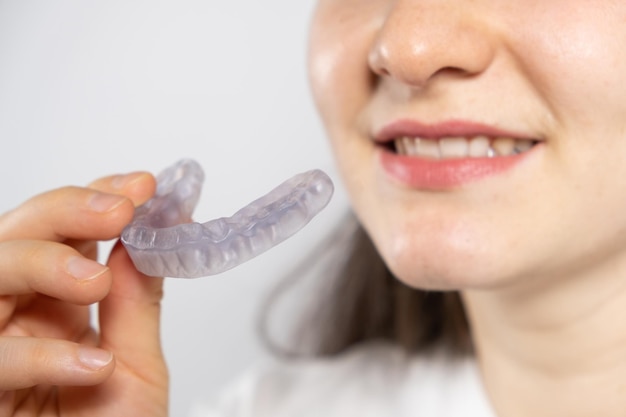
Be mindful of very hard foods and habits that place unnecessary stress on your teeth. If you have been advised to wear a night guard for grinding, using it as directed may help protect both your crowns and your natural teeth.
An old crown does not necessarily mean that it needs to be automatically replaced. If it remains intact, functional, and healthy, your dentist may recommend simply monitoring it during your regular checkups.
Take Care of Your Restored Tooth
A dental crown can provide years of function when the tooth and restoration are properly cared for. Paying attention to changes and maintaining good oral hygiene can help you get the most from your restoration.
Contact Harris Dentistry to schedule an appointment with us. We can examine your crown, assess the tooth underneath it, and discuss any care it may need.
Frequently Asked Question
1. How long do dental crowns typically last?
Dental crowns can remain functional for many years, but their lifespan varies. The crown material, oral hygiene, bite, habits, and health of the natural tooth underneath can all affect how long it lasts.
2. What is a dental crown used for?
A dental crown covers the visible portion of a damaged or weakened tooth. It may be recommended for teeth with significant decay, large fillings, cracks, or teeth that have undergone root canal treatment.
3. Can a tooth under a dental crown get a cavity?
Yes. While the crown itself cannot develop tooth decay, the natural tooth underneath it can. Plaque buildup around the crown’s edges can contribute to decay, making regular brushing, flossing, and dental checkups important.
4. When should I see a dentist about my dental crown?
You should arrange an examination if your crown becomes loose, cracked, or chipped, or if you develop pain, sensitivity, biting discomfort, gum changes, or a noticeable change in your bite.